Ruining Braunstein
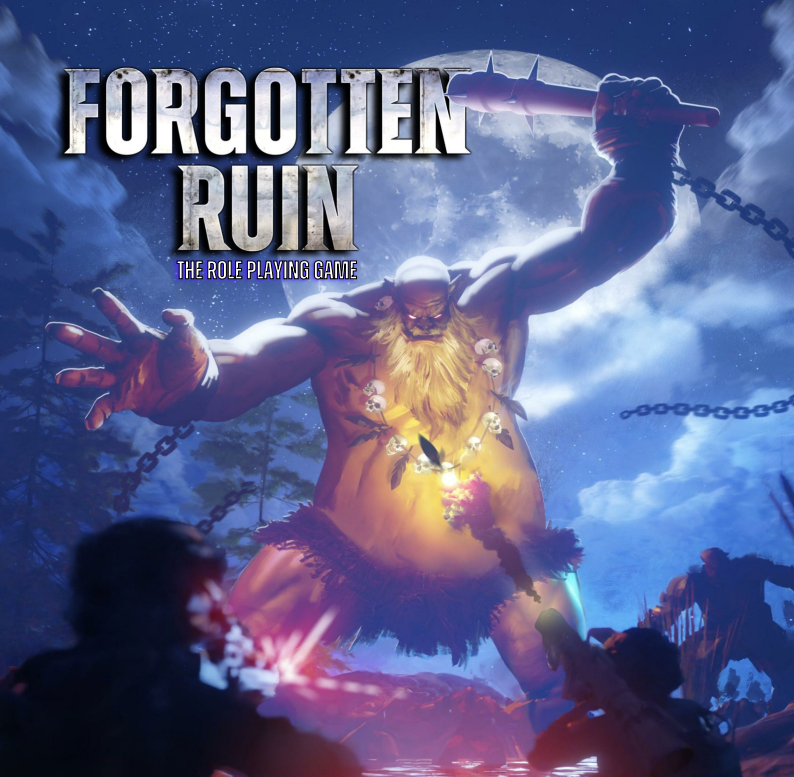
I'm here to Ruin your Braunstein. By which I mean that I am going to attempt to connect the newest old thing in D&D with my favorite contemporary fantasy series. I started drafting this essay nearly a year ago, but the recent Kickstarter for Jeffro Johnson's Winning Secrets gave me the impetus I needed to complete it.
The newest old thing is the Braunstein. The true impact of David Wesely's Braunstein was re-discovered by Griffith Morgan in the documentary Secrets of Blackmoor. Since then, the Bros of the BrOSR have been experimenting with attempting to re-integrate multiple actors operating in conflict under a fog of war to their games, and the results have been spectacular.
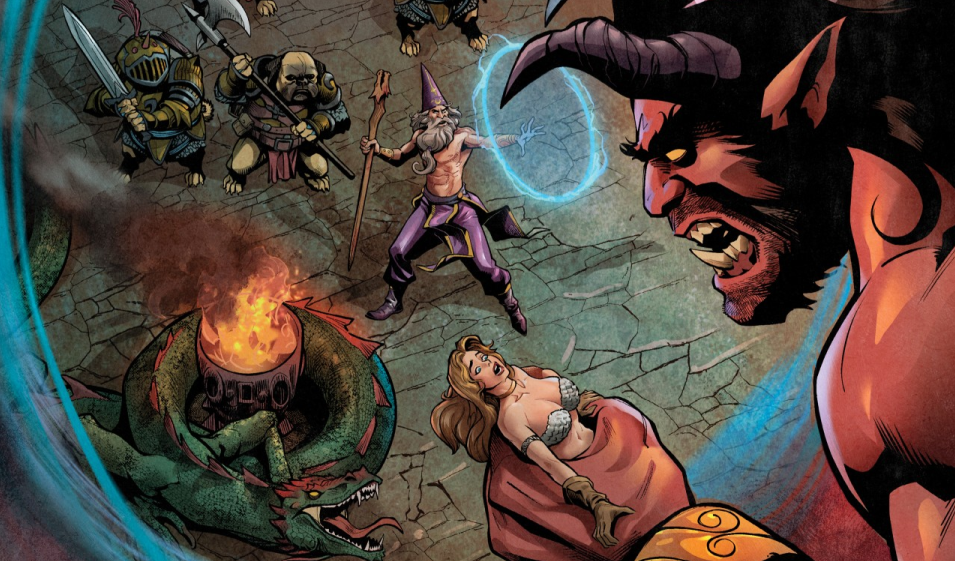
I was there watching from the sidelines while Jeffro and the BrOSR did everything. I even wrote a few contributions of my own that I still feel good about. But I was not at the forefront of playtesting innovations in TTRPG play, so I'm not going to offer you any insights into running a Braunstein you can't find somewhere else.
What I can do is use my literary criticism to link the best, most exciting contemporary adventure stories to the gameplay innovations/rediscoveries that make D&D the thing it was always destined to be.
I want to do this because the books of Appendix N are now so far in the past that they might as well be written in Middle English. I'm as big an advocate of recovering the forgotten past as anyone, but I think it is helpful to have a contemporary anchor point to get us started. Even more than the passage of time, the cultural shift over the last hundred years has made it hard to just jump into an author like A. Merritt.
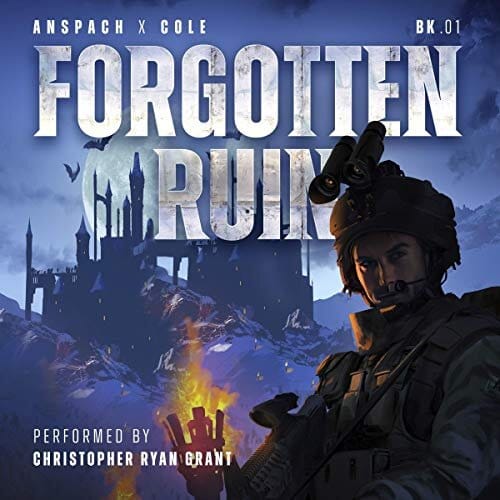
So let's start with Forgotten Ruin instead. Forgotten Ruin is an ideal bridge into the literary past because it is a product of the same era as the BrOSR, coming out in 2021, but the authors are Gen X and Gen Y, and are thus living links into a mindset that has been forgotten.
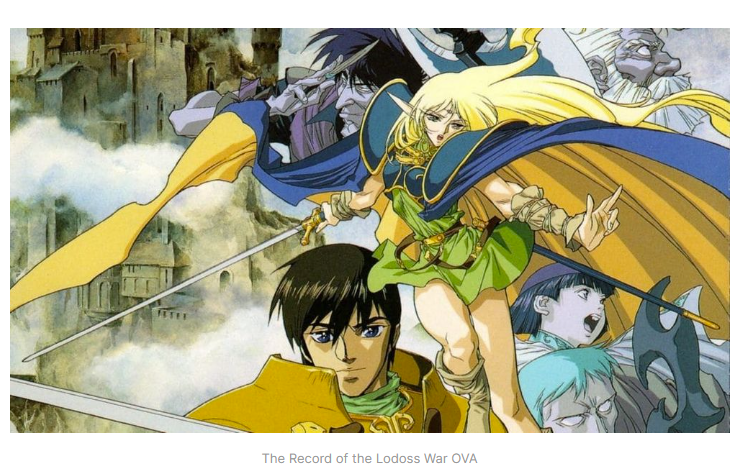
Part of that forgetting has been the success of Dungeons and Dragons. The events that led to the meteoric rise of TSR also created an immense cultural footprint. The game that was created in the 1970s is so broad and so powerful that even in an attenuated form it completely dominates the mimetic mindspace of everything else even remotely like it.
In the same way that people who have never read Robert E. Howard know who Conan is, people who have never played D&D have a broad familiarity with elves, orcs, and wizards with pointy hats. But just like with Conan, that kind of a copy of a copy cultural mimesis has lost all the fine details that made the original so arresting.

Forgotten Ruin is a reimagination of what made D&D awesome. It cuts through the pink slime assumptions that make modern fantasy adventures all feel the same. In part, it does that by embracing the weirdness of the source material. In the same way that the folk game now known as roleplaying games arose because people didn't understand the complexity of D&D and its wargaming roots, modern fantasy is an oversimplification of the overwhelming diversity of fantastic adventure stories you can find by reading old books.
Forgotten Ruin is a hilariously uneven mashup of a century of fantasy, scifi, and military adventure. This works because everything was selected to tell a good story, rather than to conform to canons of realism or naturalism that arose in an entirely different artistic context. This parallels the development of the AD&D game, which is also a hodgepodge of things copied wholesale from the stories of Appendix N.
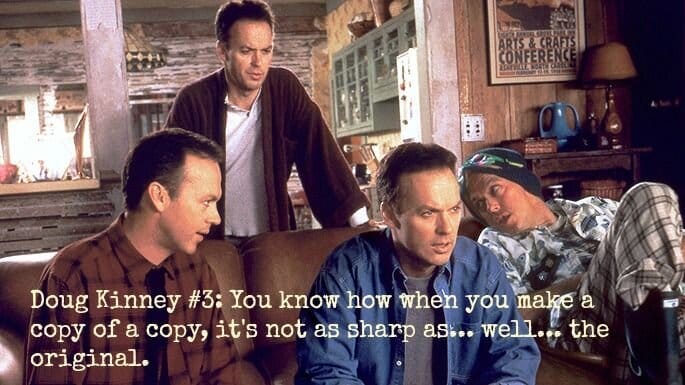
This parallelism is not shocking. Forgotten Ruin expressly claims D&D as inspiration, and since Anspach and Cole are of a similar age to me, I know exactly how this kind of thing was just in the air when we were growing up. However, what should really give you pause is the development of the Forgotten Ruin story over the nine books of the main series and at least five related stories shows convergent evolution away from the folk game copy of a copy towards the ur-D&D contained in the rules as written (RAW) of 1st edition Advanced Dungeons and Dragons.
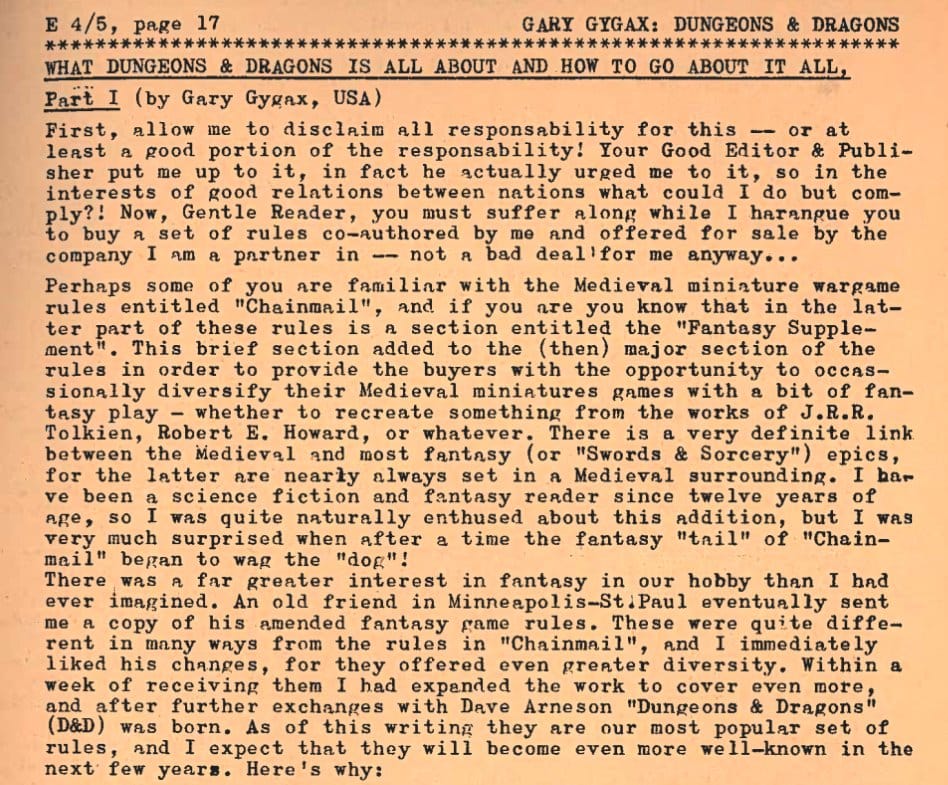
I like the argument that D&D was created as a way to play out game scenarios that were as exciting as the most awesome adventure stories that have ever been written. But I also think it is important to keep in mind the difference between a game and a book. They are not just different things, but different kinds of things. There is a related argument about the difference between movies and books.
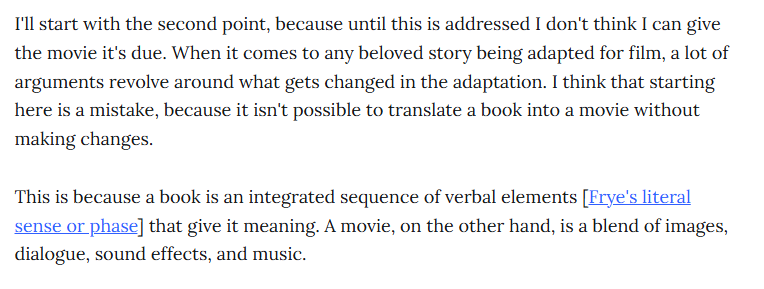
In the same way that you cannot use literary techniques without adaption to make a motion picture, you cannot use storytelling concepts to make D&D, even if the goal is to replicate the stories! Techniques appropriate to the medium must be used.
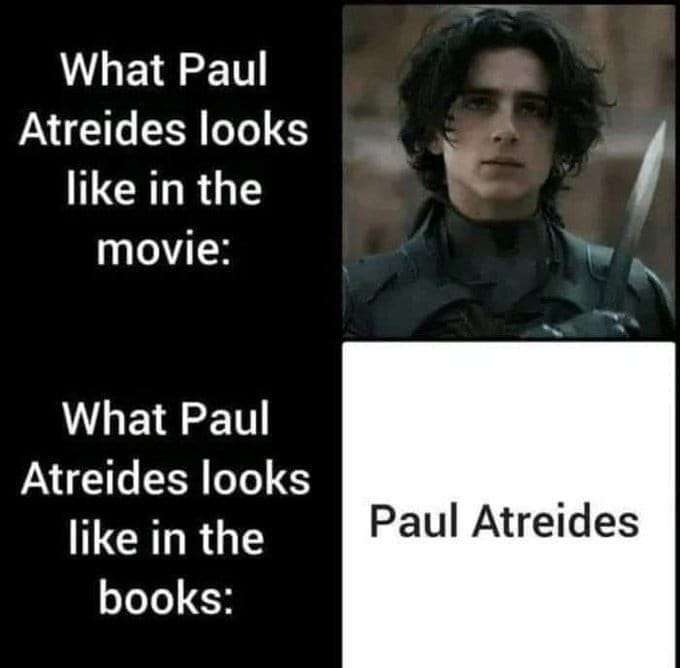
In another parallel, adventure stories themselves, especially the marketing genres of science fiction and fantasy, have strayed far from their roots because people who did not understand the rules of what made a good romance started creating stunted, attenuated stories. This went on for so long that it was widely believed to be the genuine article, and whole generations arose who had no experience of what could truly be done.
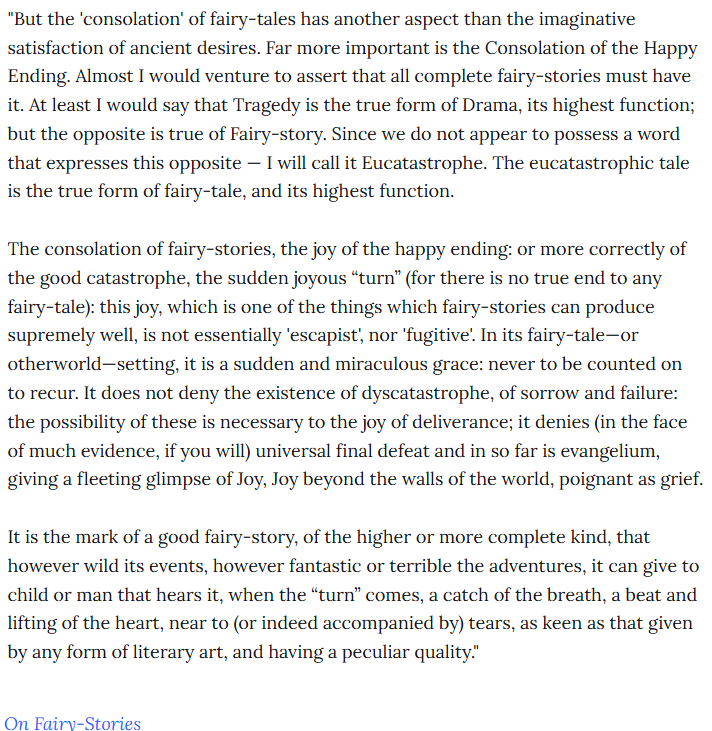
The only way forward was a bold restoration of what had come before. I have supported Jeffro because when I read the social history contained in my advance copy of Winning Secrets I get excited. I get excited because of the way it brings to life the game I was promised in the rules of 1st edition AD&D. I also support the creative work of Nick Cole and Jason Anspach because of the way in which their stories capture the promise of the form of the romance: joy that is so poignant that it feels like grief.
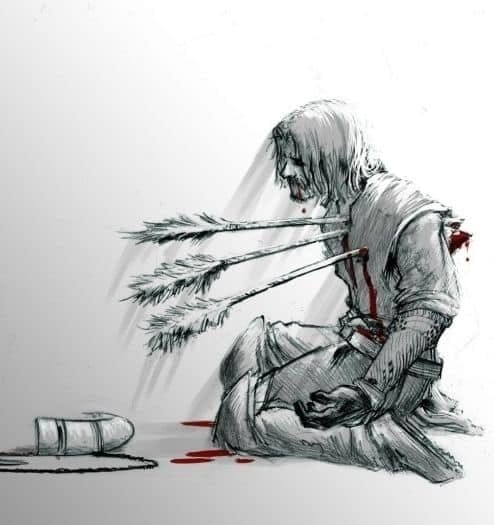
The results of these restorationist projects have exhibited convergence. When Anspach and Cole wrote stories about D&D, pulling on their understanding of the shape of stories, they produced something that is not at all like the attenuated folk game, but instead resembles the efforts of the BrOSR.
As evidence, I submit to you the reviews I wrote of the Forgotten Ruin stories where I note that the stories encompass all of the cool things the rules of the game say you can do, but almost no one has actually played:
- A Vancian post-apocalyptic setting and the passage of vast amounts of time
- Mass combat
- The criticality of mission planning
- Adventures in multiple environments at multiple scales, travel time, wilderness encounters, and the domain game
- The mythic underworld, and giving Romans automatic weapons
- Brutal honesty and continuous self-improvment, Christian honor
- Courage and war as caritas
If you want D&D to be a game that allows you to play out things like the most awesome adventure stories that have ever been written, incorporating the game elements that have come to be called the Braunstein creates a game more closely aligned to the genre literature inspirations of D&D, especially Appendix N.
If you also want adventure stories to be the most awesome things they can be, then there is still a great amount to learn from the masters of the 19th and 20th centuries. Which is not to say that everything that can be said has already been said.
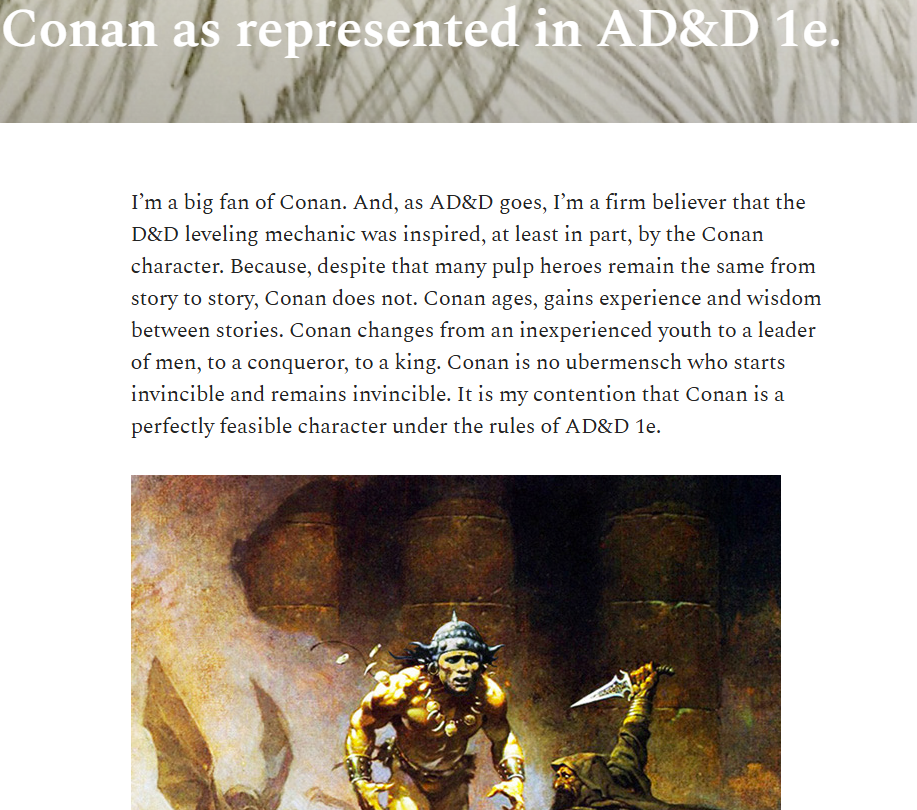
The best place that this can be seen is in the character of Conan. Conan was referenced by name in multiple places by Gary Gygax, and there is a case to be made that the literary journey of Conan across Howard's original stories is a good source for the now eponymous leveling mechanic of roleplaying games.
Conan is one of the most powerfully evocative characters to be created in the last hundred years, but at the same time one of the most misunderstood. Like with the Lord of the Rings, people are convinced of things that Howard never wrote because of movies and cultural osmosis. It is worth appreciating Conan at his most vital to see how this kind of outsized cultural impact could occur.
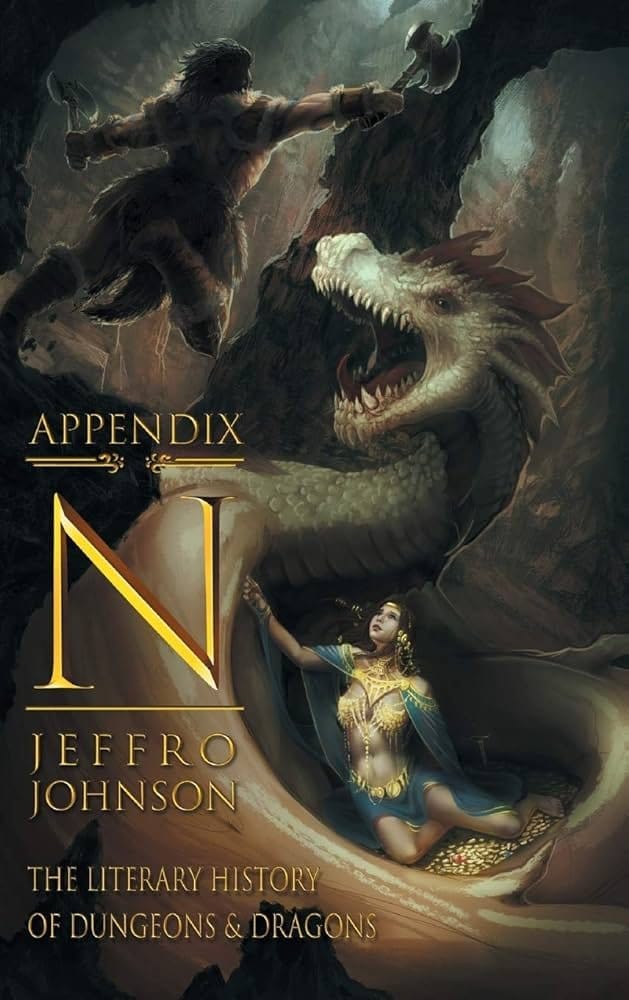
In Jeffro Johnson's Appendix N: The Literary History of Dungeons & Dragons, he devotes a chapter to each entry in Appendix N of the 1st edition AD&D Dungeon Masters Guide. The chapter "Conan of Cimmeria" is a study in the moral character of Conan as written by Howard, buttressed by scripture. This was later expanded upon by Jeffro in a blog post Conan's Alignment and other Existential Quandaries.
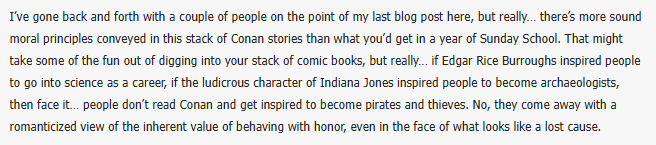
What makes Conan stand out is not his supposed barbarity, but rather his integrity and his honesty. Conan is not a Christian saint, but that wouldn't make sense in his world, which is pre-Christian. I suspect a lot of people get tripped up because Conan likes women, and since sexual sin is one of the characteristic faults of our age, they imagine this somehow makes Conan anti-Christian.
Christianity is not a system of ethics, much less a system of sexual ethics. It is an encounter with the risen Christ, and everything about Christianity follows from that. Conan is not a Christian hero, but he is undoubtedly a hero in ways that are fully compatible with Christianity.
The greatest stumbling block to seeing this is Howard's story "The Frost Giant's Daughter". Jeffro cites an example of this at his blog, and he disagrees with it. I do too. The problem is symbolic blindness, a failure to see that the Frost Giant's daughter isn't human, but rather a murderous fae.
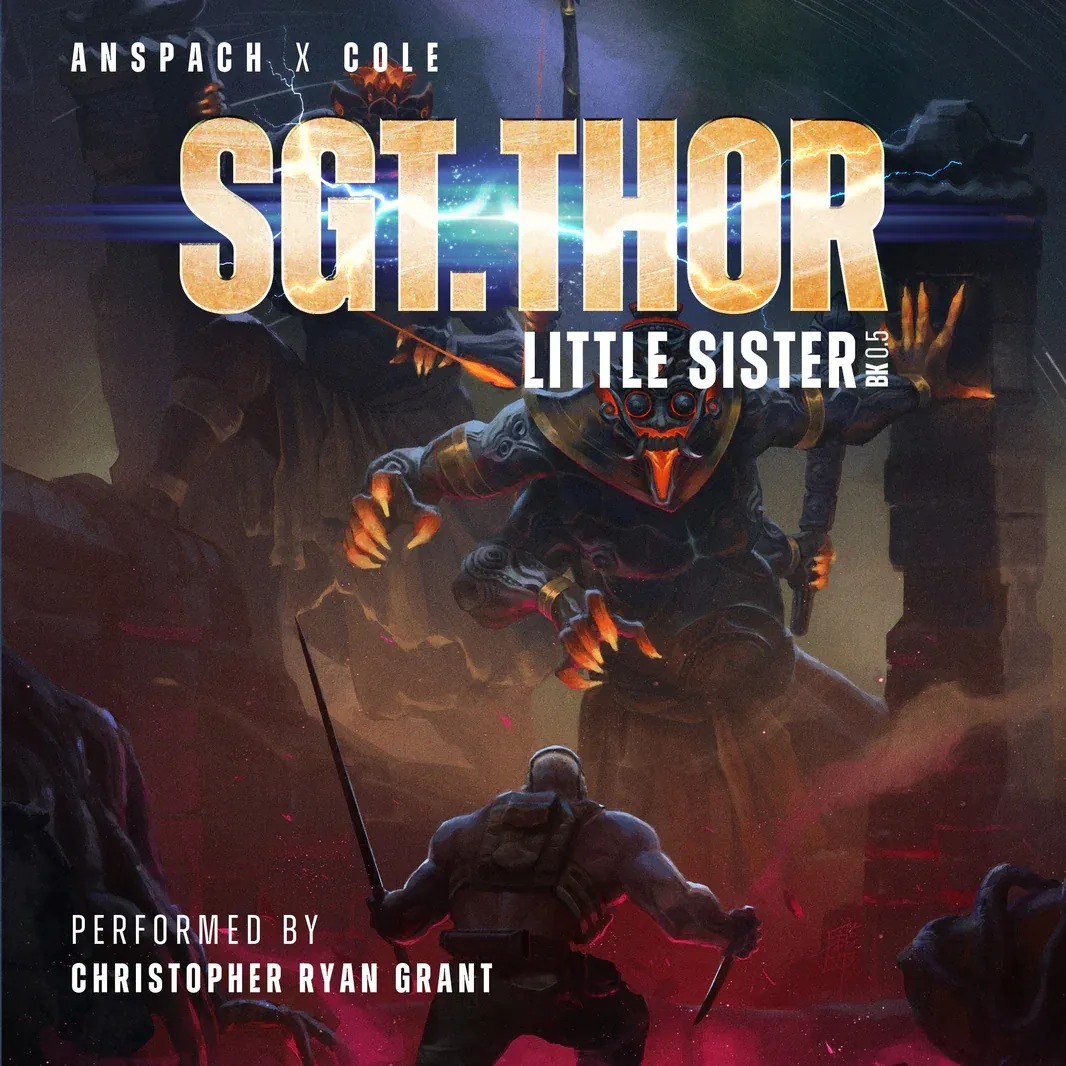
Anspach and Cole have a novel solution to this, which was to rewrite Conan in their Forgotten Ruin stories as Sergeant Thor. The very first standalone story with Sgt. Thor is available free from their Wargate Books webstore. There, they can transpose Conan to a modern idiom in a way that eliminates excuses for confusion. The result is one of the most compelling Christian adventure stories of the current day.
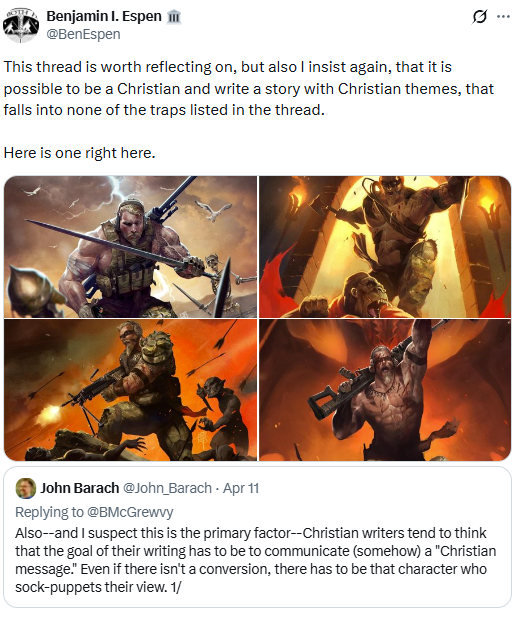
In the rediscovery of the full depth and breadth of D&D play, the bros came to call a game session featuring a variety of high-level faction leaders competing for a prize as a session Braunstein. There are a variety of threads, blogs, and videos illustrating this concept as a game, but if you want to see what it looks like in story form, the perfect example is the second Sgt. Thor book, Sgt. Thor the Cunning.
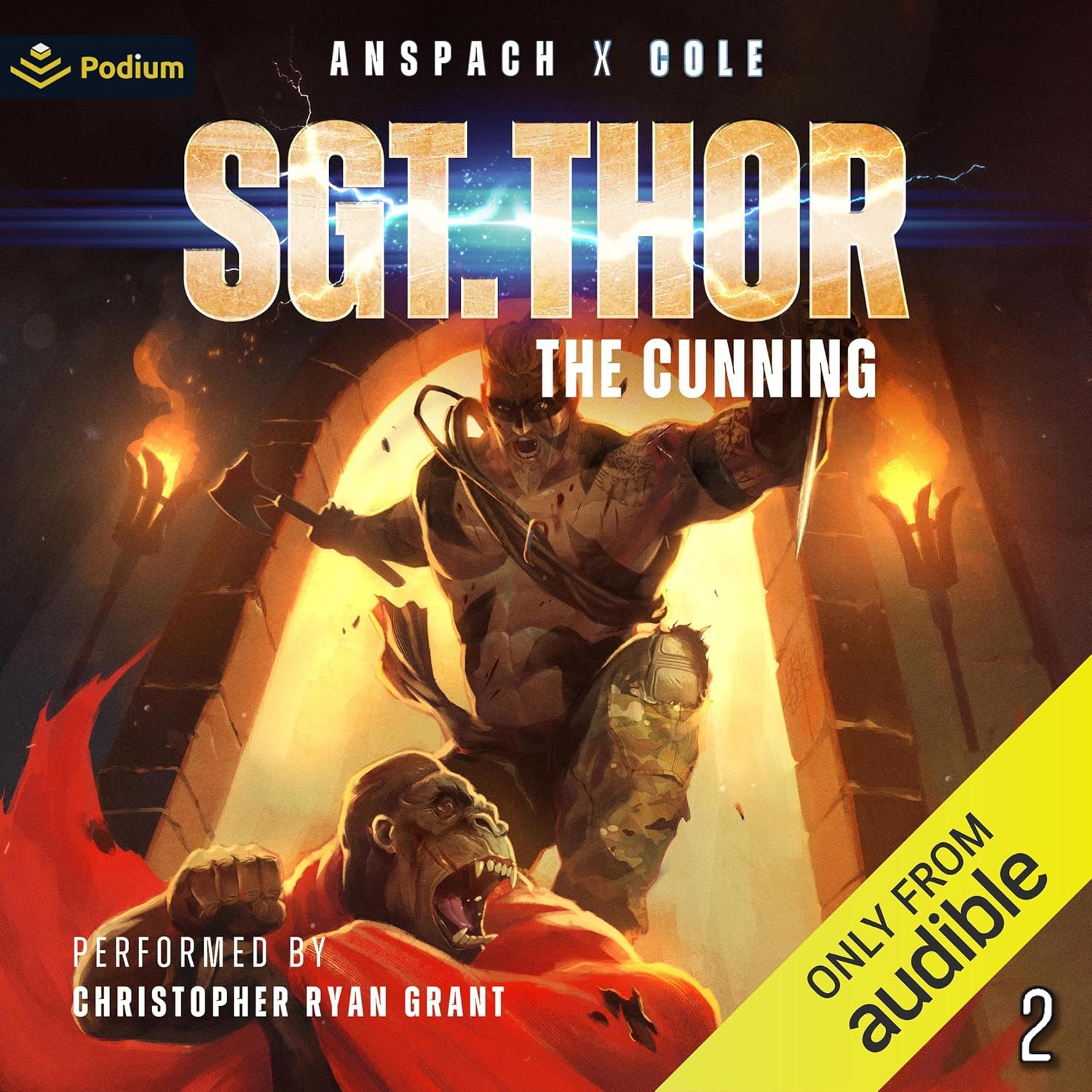
There, you will find combat, intrigue, backroom deals, and the unexpected irruption of an elder god, which I gather from Winning Secrets is the typical course of a session Braunstein.
This final convergence of fiction and game should serve to illustrate that the Forgotten Ruin series is the best current fictional example of the kind of stories that originally inspired Dungeons and Dragons. Some of the resistance to recovering that original inspiration comes from stunted imaginations that cannot imagine anything different from the attenuated folk game. These books are a way to try and force those imaginations wide open again!

Comments ()