The Mills of the Gods by Tim Powers
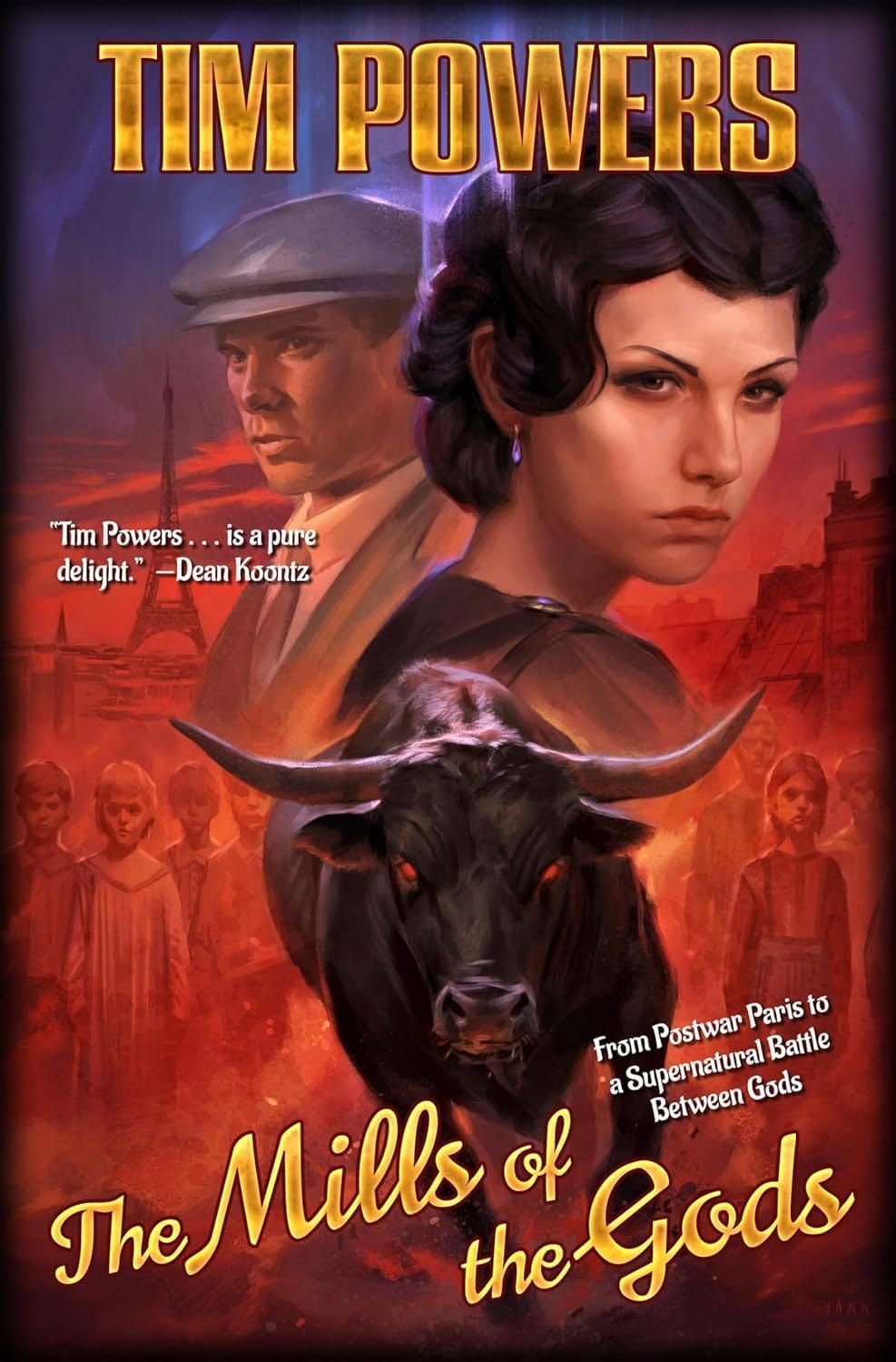
Tim Powers has returned to the classic form of the adventure with The Mills of the Gods. Or perhaps I should say, his classic form of the adventure, which is a secret history so compelling that it threatens to displace mundane history altogether. Post-Great War Paris, roasting of famous artists, pagan gods and catacombs. This is everything that I enjoy about a Tim Powers story, and it is masterfully executed.
So let's talk about the structure of the book. Many of Powers' heroes are Everymen, ordinary men thrown into extraordinary circumstances. Harry Nolan is an American expatriate eking out a living as an illustrator in 1920s Paris, an ordinary man living an ordinary life. That makes the mode of heroic action low mimetic, and the form is the comic, which is classic form of the adventure in the 19th through the 21st centuries. Which means that you should expect the resolution of the conflict to result in a social promotion for the hero.
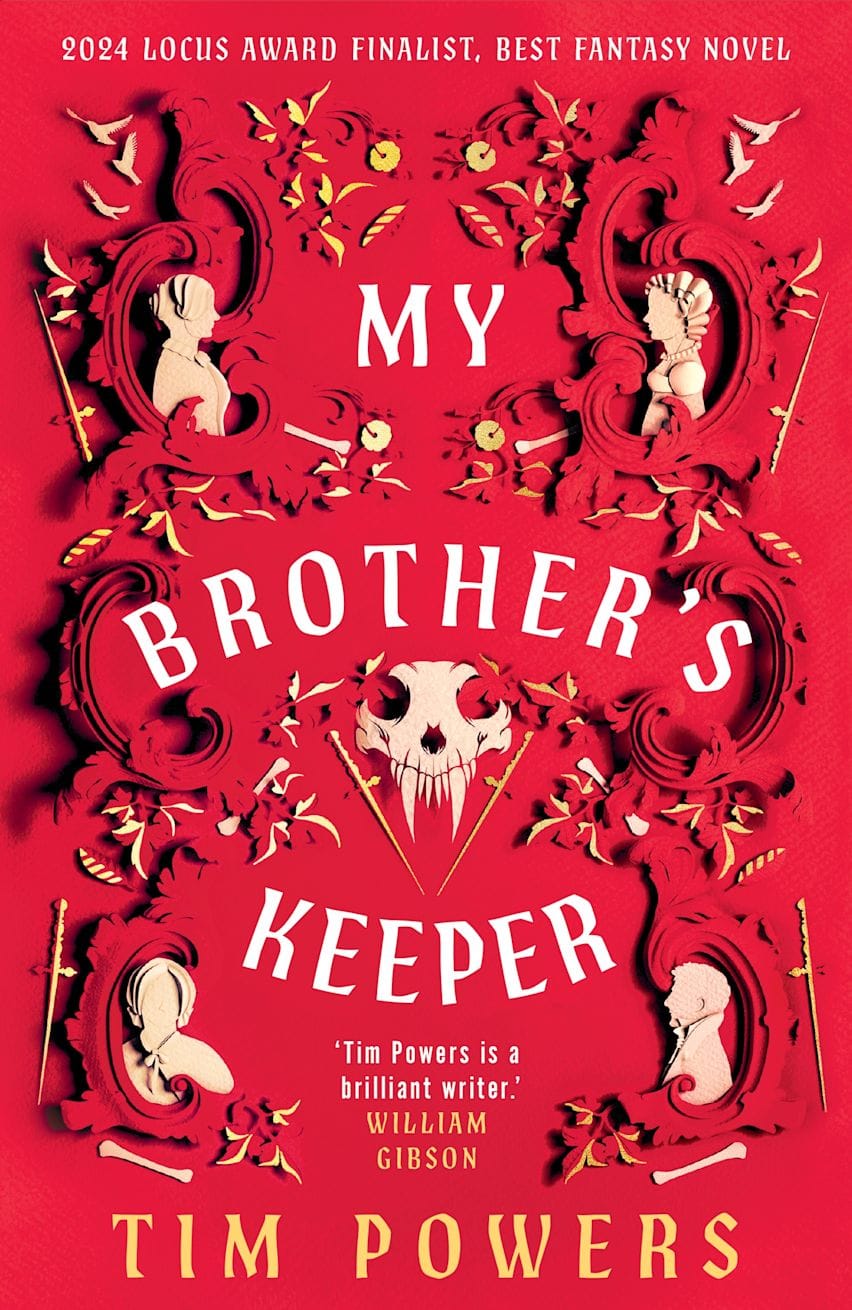
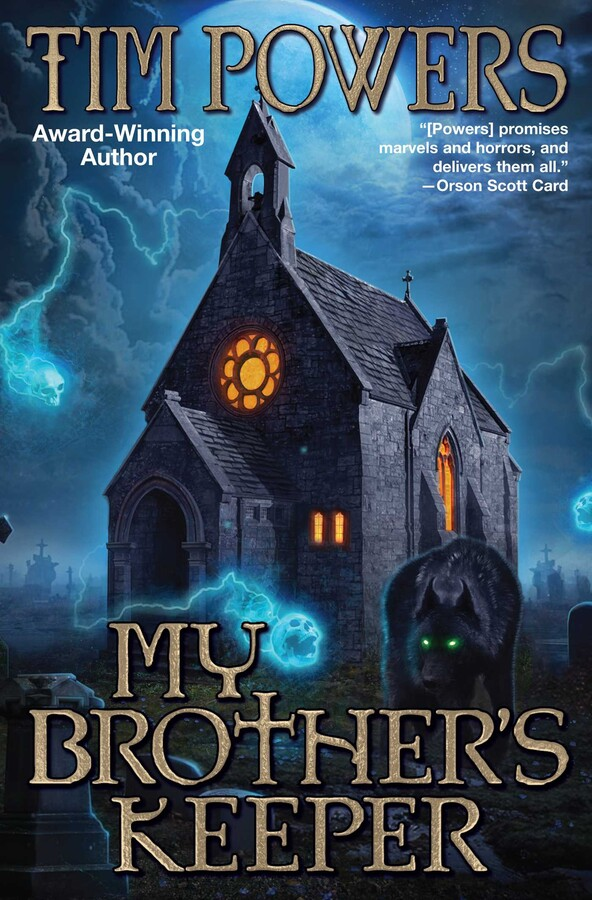
In some of his recent books, such as the Vickery and Castine series or My Brother's Keeper, Powers experimented with an ironic mode of action and a tragic form while retaining the structure of a series of wondrous adventures. In a comic adventure, it is traditional for the hero to be married at the end. In these other recent Powers books, the heroes were ultimately successful in their quests, but too broken by the experience to have a happily ever after. What had been a minor element previous books was elevated to a major theme.
In those cases, the ironic mode of action characterized by bondage, absurdity, or frustration in the acts of the hero and heroine pairs well with tragedy, because the expected resolution of a tragedy is the hero is cast out of society. In the case of an adventure story, this means even a successful hero will not reap the benefits of his quest, at least not in this life. But that is not this book.
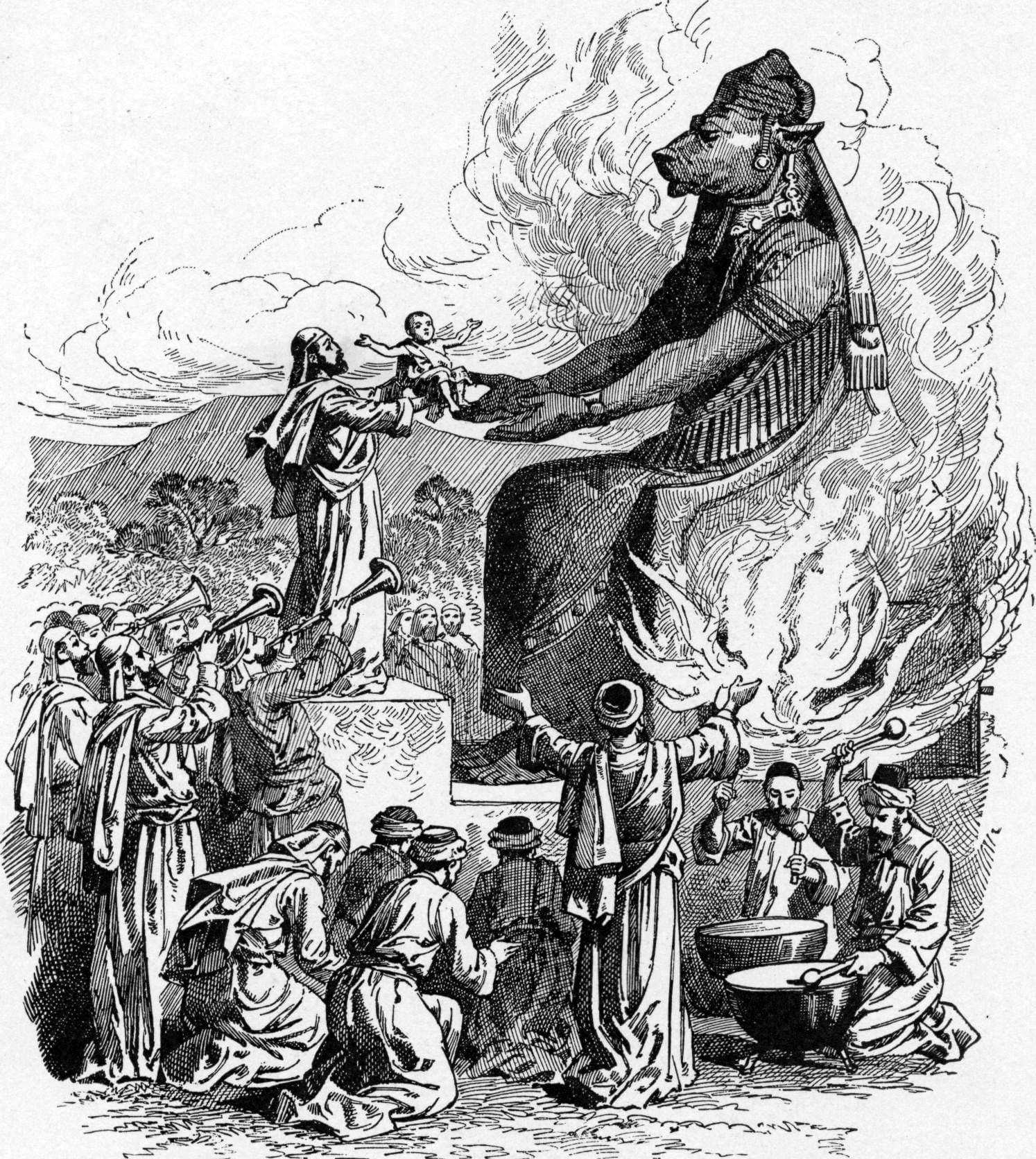
This book is about defeating a secret cult of Moloch. And Moloch. And rescuing the girl. It is a thrilling adventure with an ending that fills you with a warm glow. If we shift to the allegorical mode of interpretation, the heroine's name, Vivi or Vivienne means life or lively. When Harry Nolan succeeds in his quest, he is not only rescuing a young woman he has grown fond of, he is rescuing life from the forces of death.
I would never accuse Powers of being merely topical, but The Mills of the Gods feels topical insofar as the besetting sin of the current day is very similar to the sin of Carthage: a willingness to sacrifice our children in the name of convenience and progress.
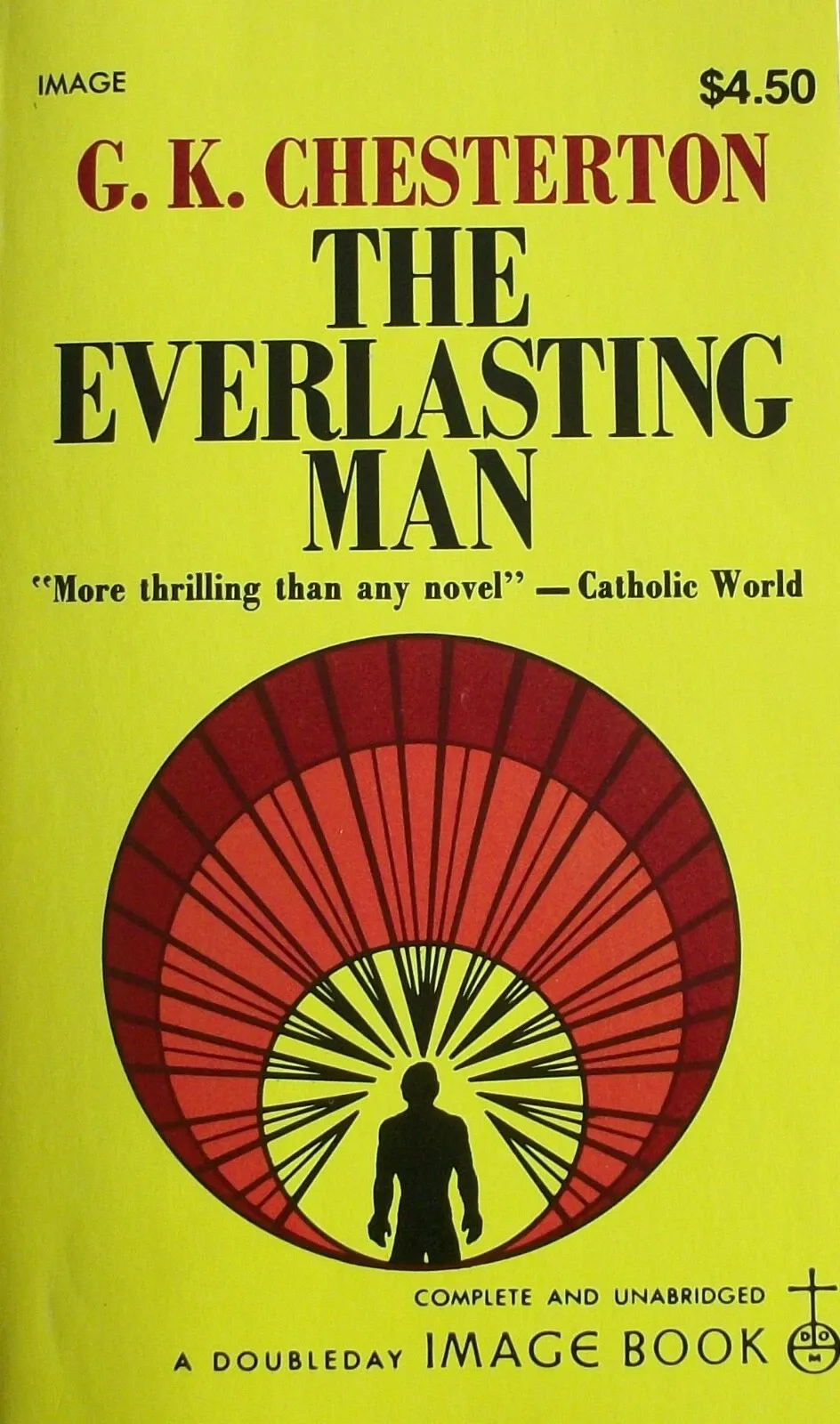
I'll draw this theme out with reference to an earlier Powers short story that shares much with The Mills of the Gods, "The Way Down the Hill", as well as G. K. Chesterton's The Everlasting Man.
"The Way Down the Hill" was published in 1982 and can be found now in one of Powers' collections of short stories, Strange Itineraries. The secret cult of Moloch in The Mills of the Gods shares many traits with the family in "The Way Down the Hill". So much so that a revelation in the newer book won't come as a surprise at all if you have read the previous short story.
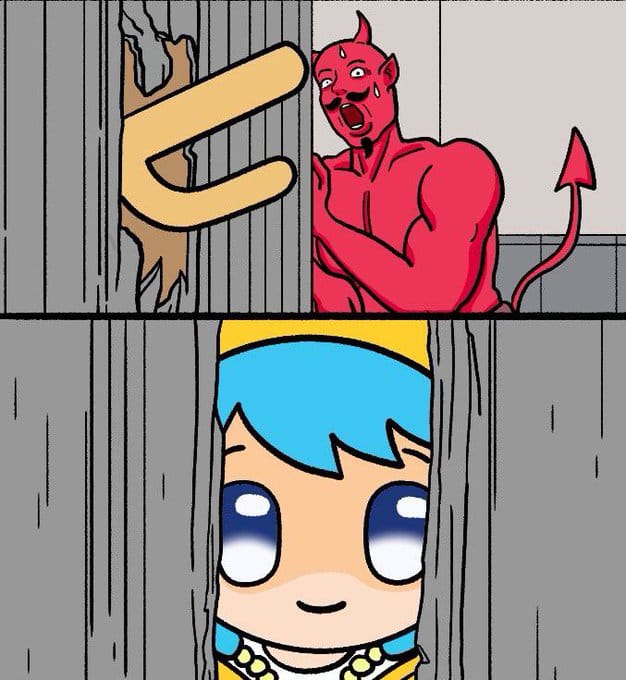
What is important here are the common reasons for calling on the power of Moloch: money, power, and above all a fear of death and judgment. And the price, well, the price you see, is only a little thing. A very little thing.
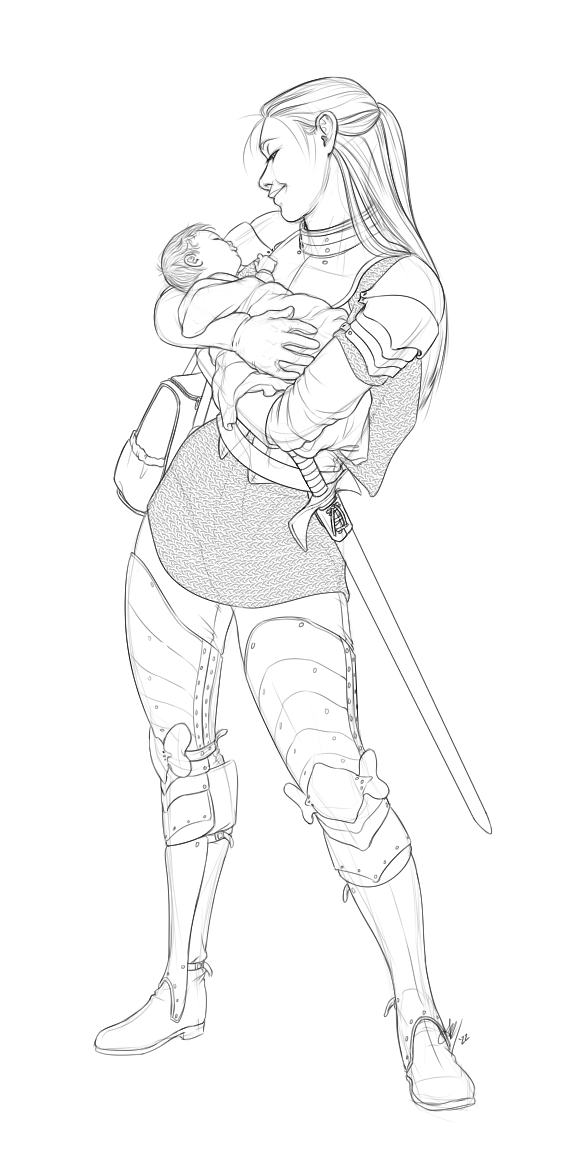
In the chapter of The Everlasting Man "The War of the Gods and the Demons", Chesterton develops an extended analogy of the pagan religions of Carthage and Rome. Neither Rome nor Carthage had the true religion, but Rome was baptized while Carthage was destroyed. Chesterton suggests to us in his inimitable way that the difference was a willingness to pay any price for success.
In a previous chapter I have hinted at something of the psychology that lies behind a certain type of religion. There was a tendency in those hungry for practical results, apart from poetical results, to call upon spirits of terror and compulsion; to move Acheron in despair of bending the gods. There is always a sort of dim idea that these darker powers will really do things, with no nonsense about it.
–G. K. Chesterton, The Everlasting Man
Spengler called our modern civilization Faustian, as we have a tendency to be impatient of limits and hungry for practical results. Thus, we also have a tendency to fall into the sins of Carthage. The cult of Moloch in The Mills of the Gods is a tendency we all have in the modern world.
Much like in The Everlasting Man, in The Mills of the Gods the conflict first plays out as a war between Cybele, the Magna Mater, and Moloch. Yet, in her own way, Cybele is just as inhuman as Moloch, although less horrible. Here we might detour into Powers' choice of a title.

Ernest Hemingway, who has an important cameo role in the book, wrote a poem "Mitraigliatrice" that contains the phrase "the mills of the gods":
The mills of the gods grind slowly;
But this mill
Chatters in mechanical staccato.
Ugly short infantry of the mind,
Advancing over difficult terrain,
Make this Corona
Their mitrailleuse.
Hemingway's poem with a theme of industrial war is riffing off an earlier saying attributed to Sextus Empiricus:
The mills of the gods grind slowly, but they grind exceedingly fine.
We might interpret this in a Hebraic sense as: things develop in God's own time. The mills are the mutual opposition of Moloch and Cybele, and what is being formed as they clash together is us. Those who cling too tightly to one or the other are destroyed, while those who pass through are transformed.
The richness of Tim Powers' books stems from his ability to cohesively pull together history and myth. A problem with much contemporary writing of fantastic adventures is that the only conventions it can pull on are pink slime fantasy. This produces literary worlds that are thin and unconvincing.
Powers' great gift to us is that he fuses together historical settings with the legends that power the mythic resonance of our stories. That act creates a deeper well from which to pull literary allusions. I think this is also one of the things I appreciate about Nick Cole's Strange Company stories.
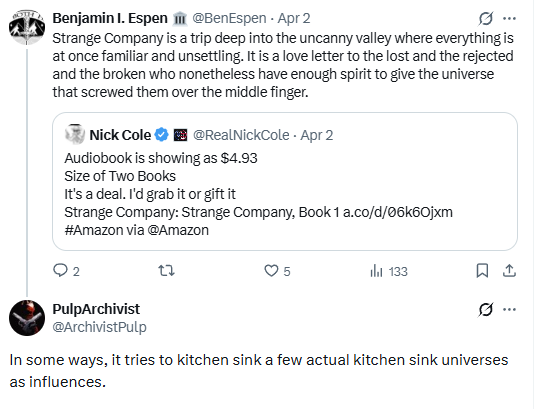
Cole also pulls on literary convention and real-life experience, but in the case of Strange Company the literature in question is a broad swath of twentieth century popular entertainment, while the real-world influences are the chaotic and morally dubious adventures of soldiers from the Congo to Afghanistan. The result is less harmonious than in Powers' work, but given the subject matter and themes that isn't necessarily inappropriate.
Powers' books are also very Catholic. I can remember when it was a big deal that Declare was going to be Powers' first explicitly Catholic novel. I couldn't believe that no one had noticed that every single one of Powers' stories, from the first, has had Catholic themes and imagery.
But I think what is really going on is that Declare was the first book with an explicitly Catholic character doing explicitly Catholic things. Everything that had come before was too subtle. The Mills of the Gods is not subtle.
Which brings us back around to Powers chosen mode of heroic action. For God to choose an unremarkable man like Harry Nolan to cast down not only the wealthy and politically connected followers of Moloch, but also Moloch himself, resonates with a common scriptural theme.
Moloch's public power was broken by the great and mighty Legions of Rome. Moloch's hidden power was rooted out by a simple man cooperating with grace. And his reward is life.
Buy The Mills of the Gods on Amazon. Commission is earned on affiliate links.
With Both Hands Classics | My other book reviews | Reading Log
Mini-reviews
Comments ()